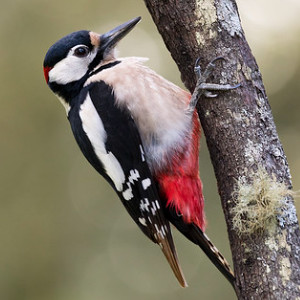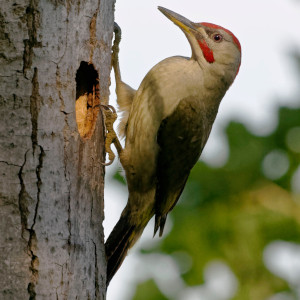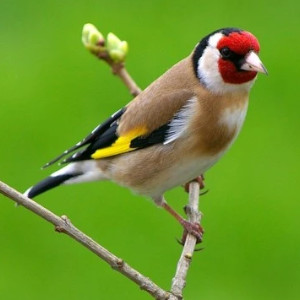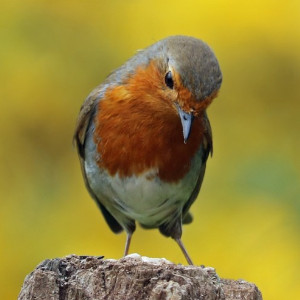
The Nature Tourism resort Cimo da Vinha – Nature Spot is located in the extreme south of the municipality of Castelo de Paiva, in the parish of Real. Already very close to the border with Arouca, it is just 7 km from the Paiva Walkways but also 20 minutes away from the Douro river. This proximity to fields, rivers, forests and mountains – and to yet wild habitats – makes its adjacent biodiversity very rich and makes it possible to observe several species of animals, including many birds.
The open views of an almost infinite horizon, the silence and the fact that the altitude is already close to 400 meters transform Cimo da Vinha in a natural amphitheater privileged for bird watching, which (done in a non-intrusive way) is an important activity in the preservation of species.
Based on empirical knowledge of the locals – but also with the scientific help of information compiled by the Geopark of Arouca (on its section on regional fauna) and on the websiteAves de Portugal – we present a list of bird species that, with greater predictability, can be observed here, in Cimo da Vinha – Nature Spot.
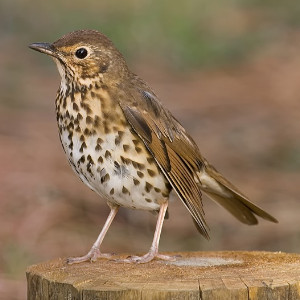
“As this is one of the most abundant prey in Portugal, it will not be difficult to find the characteristic half-moon mark on this bird’s chest.” on avesdeportugal.info
Order: Passeriformes Family: Motacillidae Genos:Motacilla Species:Motacilla alba Linnaeus, 1758
“The white wagtail is one of the best-known species among most people, with its typical swaying tail and black-and-white color combination.” on avesdeportugal.info
Order: Passeriformes Family: Paridae Genos:Parus Species:Parus major (Linnaeus, 1758)
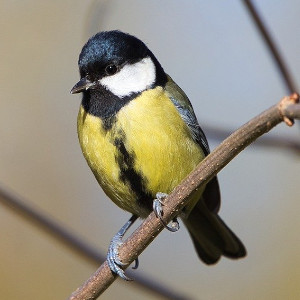
“The largest of the Portuguese tits boasts magnificent colorful plumage, which is worth looking for in our forests and woodlands.” on avesdeportugal.info
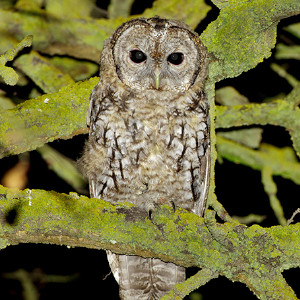
“When in flight, you can notice the brownish tone, which allows you to distinguish it from the barn owl, and the relatively short and rounded wings, which distinguish it from the lesser owl and the owl.” on avesdeportugal.info
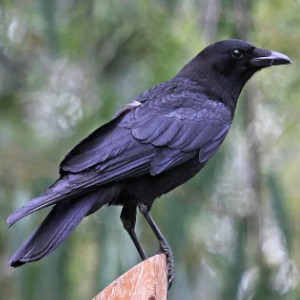
“The crow is one of the most acrobatic species of our avifauna and this characteristic is visible in the fantastic flights it performs.” on avesdeportugal.info
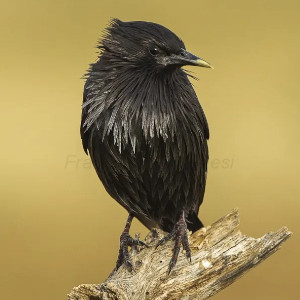
“It has a yellowish beak and a dark body, although the tail is shorter and the posture is more upright. It can also be distinguished from the blackbird by its pink legs and bright tones on its body.” on avesdeportugal.info
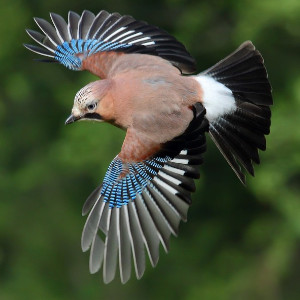
“The jay is one of the «imitators» that we can find among the species of our avifauna, surprising with its immense capacity to reproduce other sounds.” on avesdeportugal.info
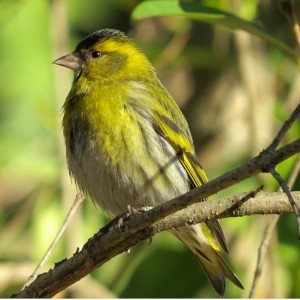
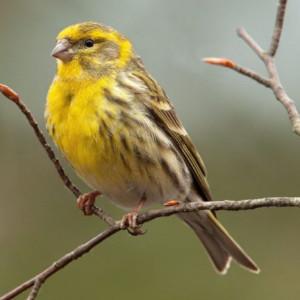
“Also known as the green goldfinch, the siskin is an extremely acrobatic finch and can often be seen hanging upside down while searching for food in trees.” on avesdeportugal.info
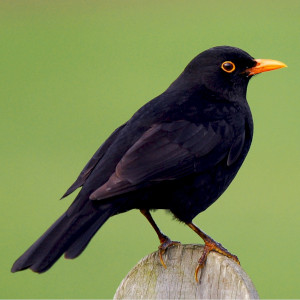
“The blackbird is one of the most recognized species, making the presence of this bird in the green areas of the main locations in our territory well known.” on avesdeportugal.info
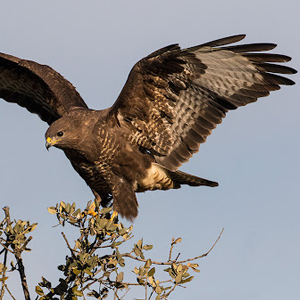
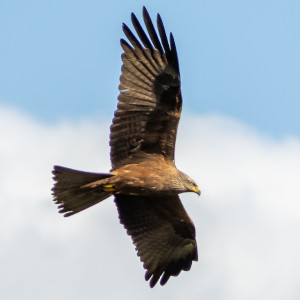
“Hunter, fisherman, scavenger and opportunist – all of these adjectives can be used to describe this bird of prey – which can regularly be seen patrolling our roads.” on avesdeportugal.info
“One of the most common sights in our territory is this small passerine perched on top of the trees singing, even in the hottest hours.” on avesdeportugal.info
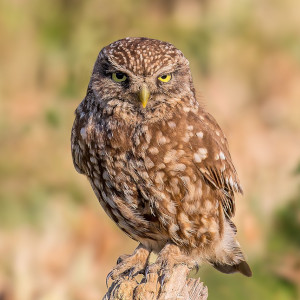
“This small owl is the easiest nocturnal bird of prey to observe, due to its partially diurnal habits. Its habit of perching on high points, on the side of the road, makes this species quite conspicuous.” on avesdeportugal.info
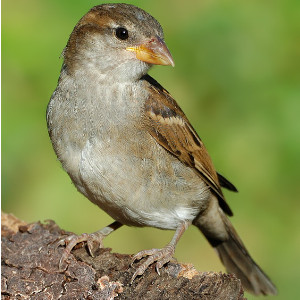
“One of the most abundant species of our avifauna, and probably the most conspicuous, the common sparrow has been established in urban environments for a long time, making it quite easy to detect.” on avesdeportugal.info
“It is not uncommon to be surprised by a flock of partridges crossing the road. This species, highly coveted by hunters, is often the subject of hunting management programs.” on avesdeportugal.info
Order: Passeriformes Family: Laniidae Genos:Lanius Species:Lanius senator (Linnaeus, 1758)
“This species marks Spring, with its conspicuous rust-colored cap. It generally lands in clearly visible places, such as fences, overhead cables or tree tops.” on avesdeportugal.info
“Although it is quite territorial during the spring, in winter it presents a gregarious behavior, and large flocks can be observed in the agricultural fields of our territory.” on avesdeportugal.info
“It stands out for its striking plumage and for singing at any time of the year, its song being one of the most beautiful in our forests.” on avesdeportugal.info
“Also known by the names of carvoeiro or blacksmith robin, the black redstart is one of the most characteristic birds of villages in the north and center.” on avesdeportugal.info
“Like the arrival of the swallows and the call of the cuckoo, the cooing of the turtle dove also marks the beginning of Spring. Unfortunately, it is a sound that is heard less and less.” on avesdeportugal.info
“The song of the wild nightingale can be heard throughout the year in the reedbeds. However, observing this bird is not always an easy task, as it tends to remain hidden among the vegetation.” on avesdeportugal.info
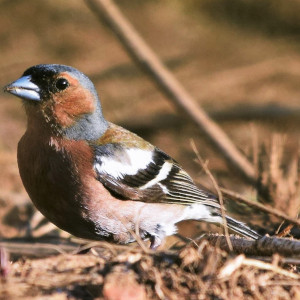
“When looking for birds in our woods and forests, it is almost impossible not to come across the finch, as it is one of the most abundant species. This species sings at the first dawn.” on avesdeportugal.info
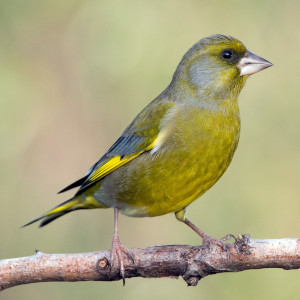
“Like other finches, the greenfinch also has a showy and eye-catching color. However, it is its song that draws the most attention.” on avesdeportugal.info
Cimo da Vinha is a Nature Tourism resort in Castelo de Paiva, between the Paiva and Douro rivers. Its team is made up entirely of local workers with a deep knowledge of the regional geography and its traditions. This understanding of the territory is at the service not only of our guests but also of this Blog.